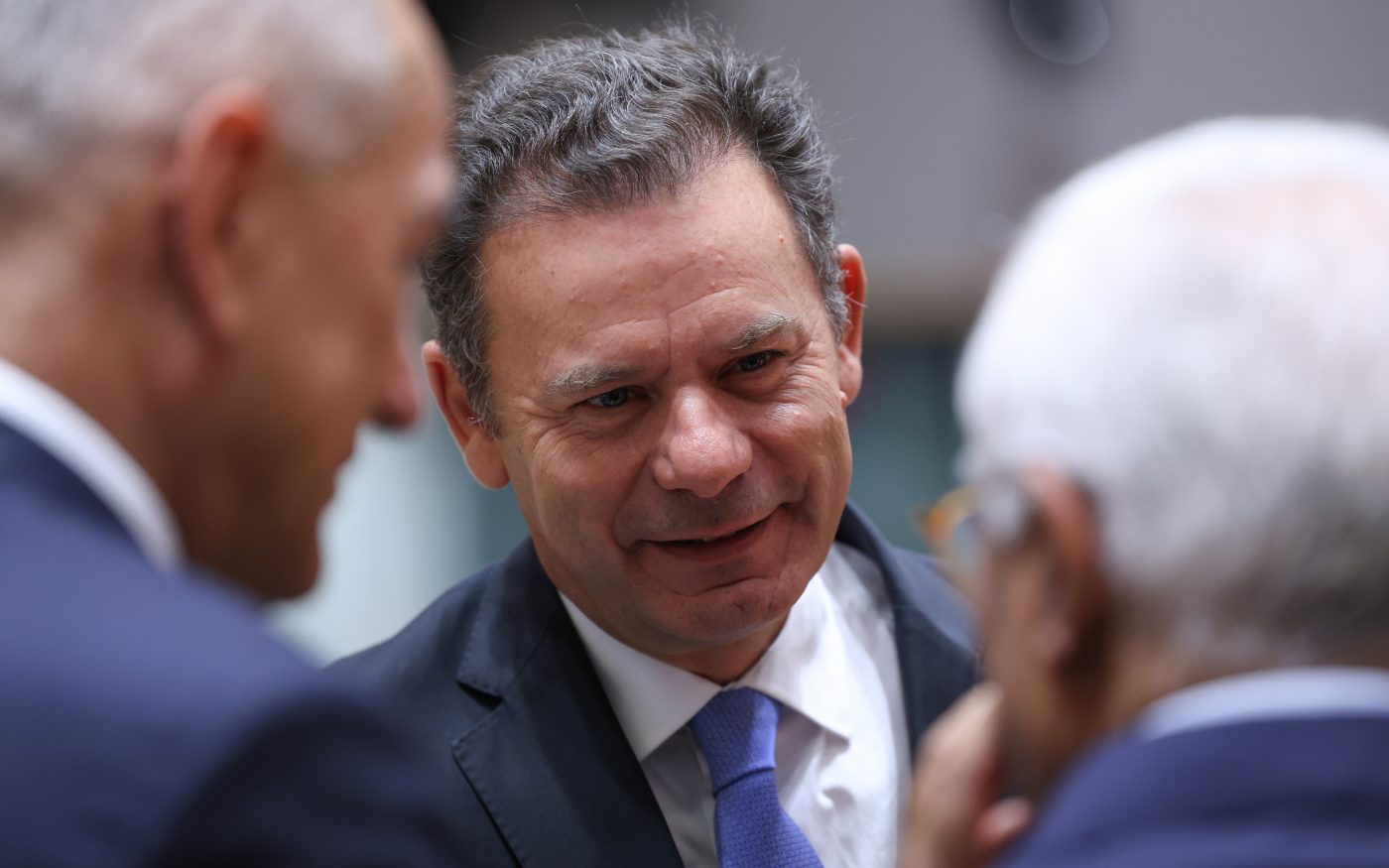
BRUSSELS: Portuguese Prime Minister Luís Montenegro called for a coordinated European response to rising energy prices, arguing that joint purchasing of energy supplies would not resolve the crisis and that the European Union needed to address the market mechanisms amplifying the effects of geopolitical instability.
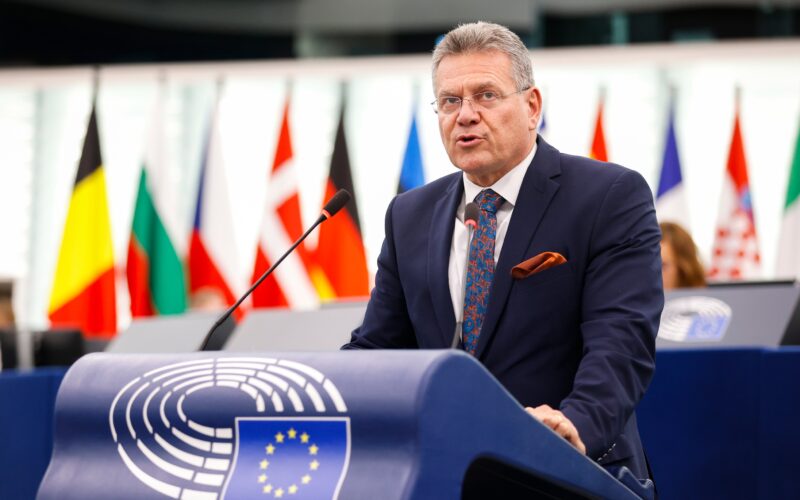
Speaking on the sidelines of the European Council meeting in Brussels, Montenegro said the EU should combine diplomatic efforts to end hostilities in the Middle East with economic measures to protect its single market.

The Global Envoy’s Rohan Dua was present at EU Council’s two day Oct 15-16 summit in Brussels.
He said diplomacy should help bring the parties closer together, establish a cessation of hostilities and restore safe navigation, particularly through the Strait of Hormuz.
On the economic front, Montenegro said EU member states could initially take individual measures to address price increases, but a prolonged crisis would require greater coordination.
“Since we are in a single market, we will have to coordinate our response policies to this type of crisis, because it is no longer limited but continues to drag on,” he said.
He added that the summit could deepen discussions on how Europe could defend its internal market through a uniform and financially aligned response.
Montenegro also reiterated Portugal’s commitment to reducing the bloc’s dependence on fossil fuels.
“Europe cannot have any doubts about the path toward energy autonomy, specifically by making its economies less and less dependent on fossil fuels and more and more on renewable energies, which are the ones that depend exclusively on us,” he said.
Joint purchasing not the answer
Asked about joint purchasing of energy supplies, Montenegro said the measure would not address the central problem.
“We will wait for the discussion, but joint purchasing is not the solution to the problem,” he said.
Portugal’s suppliers are mainly Brazil, Algeria, Nigeria and the United States, rather than countries in the Middle East, he said. Despite that supply mix, Portugal remains exposed to the effects of turmoil in the region through global energy markets.
“We are not dependent on what happens in that region, but we are equally affected by it,” he said. “The problem does not lie in purchasing. The problem lies, first and foremost, in instability and the way price-setting mechanisms operate today.”
Montenegro said the existing pricing mechanism, established after the energy crisis of the 1970s, had advantages but was now exposing consumers and businesses to price swings driven by expectations of instability.
“The mechanism has its virtues, but right now it has a flaw: we are all paying the price for an effect created mostly by future expectations regarding an instability that is confined to a specific geography,” he said.
He called for a response that could reduce the speculative burden of financial and futures markets and soften the impact of price fluctuations.
“Price increases are almost immediate, while price drops are very slow,” he said, adding that action was needed on diplomatic, economic and strategic fronts.
His comments underline the difficulty for European governments of shielding consumers from global energy shocks, even when their direct dependence on supplies from the affected region is limited.