ASEAN’s Space Ambitions: Can 11 Nations Build a Shared Regional Capability?
ASEAN's new space declaration commits 11 countries to cooperation. Can the bloc build shared satellite infrastructure and regional space capabilities?
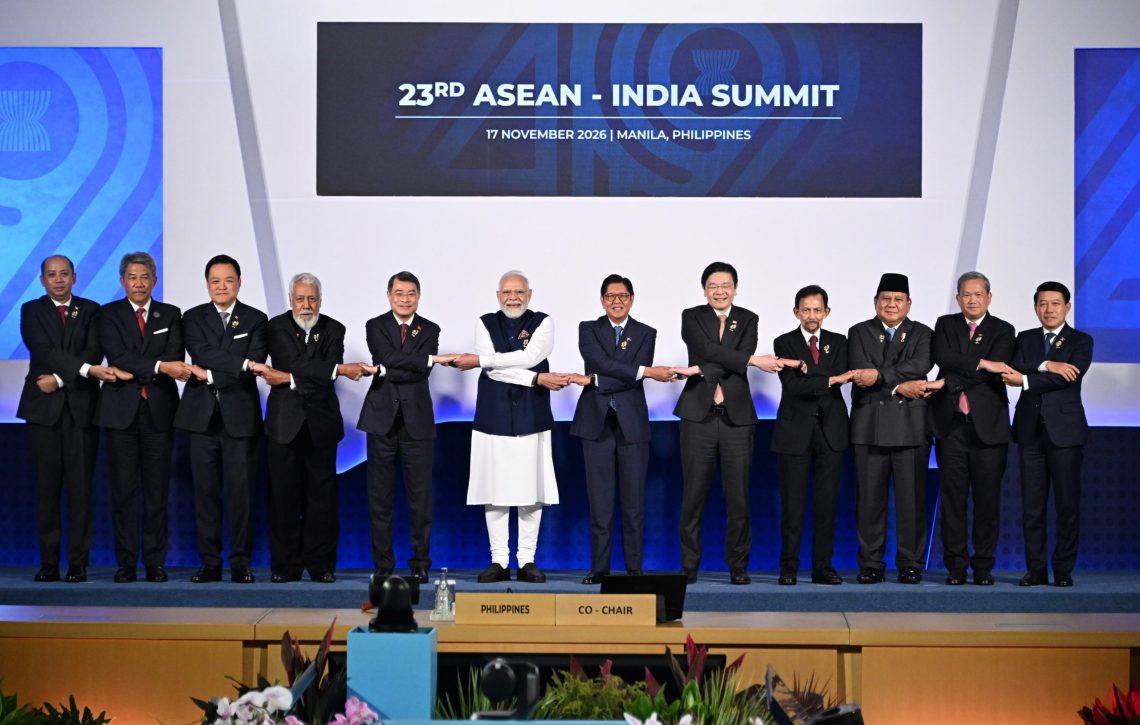
MANILA: Southeast Asian leaders have committed to expanding regional cooperation in space technology, but turning the agreement into shared satellite infrastructure, research capabilities and commercial opportunities will test the ability of countries with widely differing technological resources to work together.
The Association of Southeast Asian Nations adopted its first declaration dedicated exclusively to space science, technology and innovation cooperation during its 49th summit in Manila, establishing a framework for collaboration in an increasingly strategic sector.
The declaration, signed on November 15 by all 11 ASEAN member states, identifies space security and safety, the space economy and workforce development as its principal areas of cooperation.
It also calls for greater collaboration in research, capacity-building and the sharing of space infrastructure and data, including applications in disaster resilience, environmental monitoring and economic development.
The initiative was spearheaded by the Philippines through the Philippine Space Agency, as Manila sought to place space technology among the priorities of its ASEAN chairmanship.
But the declaration’s implementation will depend on whether member states can agree on funding, technical standards, data-sharing arrangements and access to infrastructure.
The region’s space capabilities are unevenly distributed. Singapore, Indonesia, Thailand, Malaysia and Vietnam have developed different levels of satellite, research and aerospace capabilities, while other members have more limited resources.
A shared approach could allow countries to access satellite-derived information for weather forecasting, maritime monitoring, agricultural planning and disaster response without each having to build the entire infrastructure independently.
It could also create opportunities for regional universities, technology companies and research institutions to participate in a growing space economy.
However, questions remain over how the proposed cooperation will be financed, which countries will provide infrastructure and how sensitive satellite data will be governed.
The declaration provides a political framework for cooperation, but does not by itself establish a common satellite network, a regional space agency or a binding funding mechanism.
The next test will be whether ASEAN governments translate the commitment into specific programmes, institutional arrangements and measurable targets.
For a region exposed to typhoons, flooding, maritime disputes and environmental risks, the ability to use space technology collectively could have implications beyond the aerospace industry.