DUNDALK (Ireland): National film and audiovisual agencies from across Europe are meeting in Ireland on Wednesday to discuss the future of the European screen industry, including cross-border film production, cultural policy, public funding and the challenges posed by changes in technology and global markets.
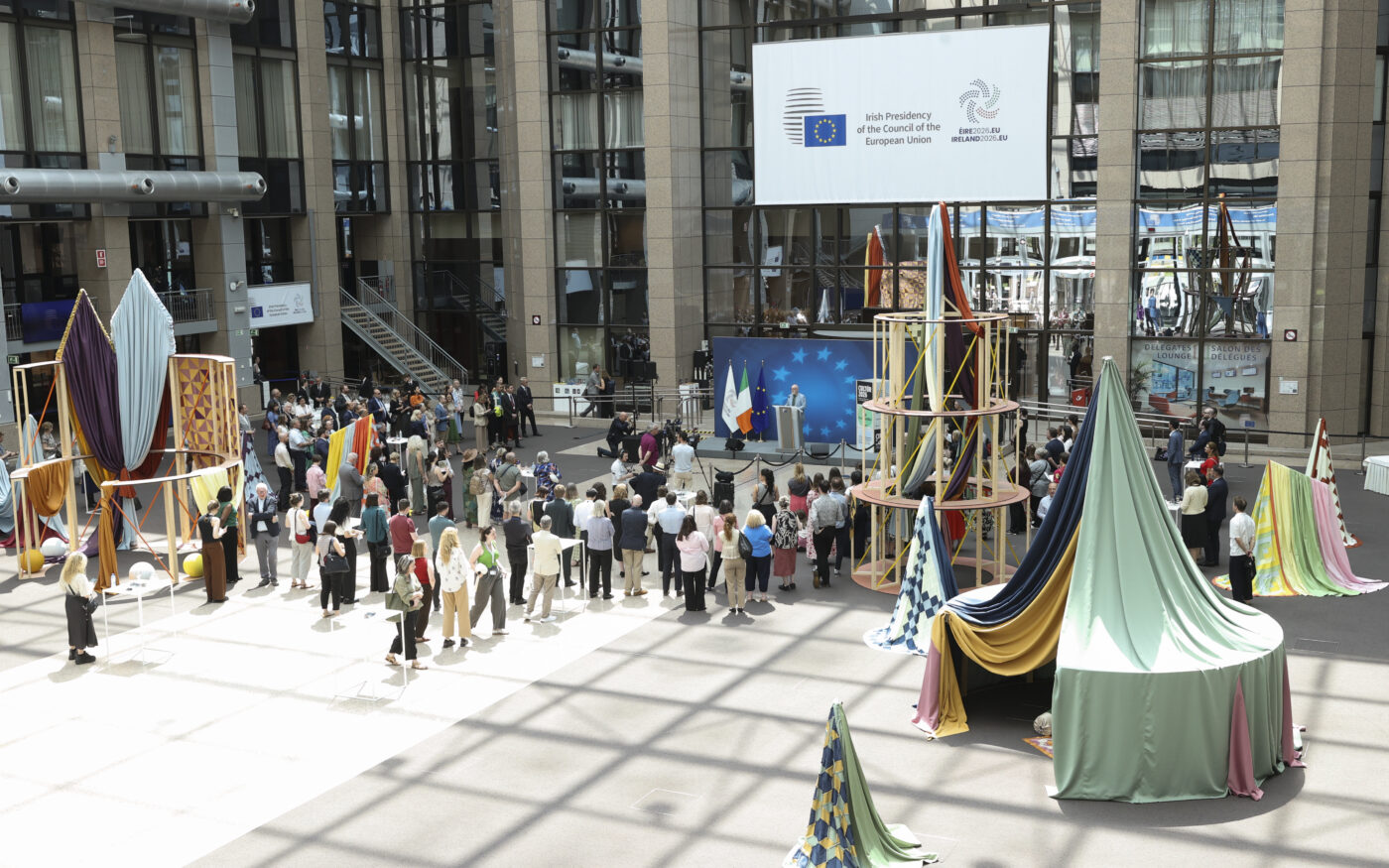
The General Assembly of the European Film Agency Directors (EFAD) is being held at the Ballymascanlon Hotel in Dundalk, County Louth, as part of Ireland’s Presidency of the Council of the European Union.

Hosted by Fís Éireann/Screen Ireland, the gathering will bring together representatives of national film agencies to discuss policy priorities and strategies for strengthening Europe’s audiovisual sector.
Désirée Finnegan, chief executive of Screen Ireland, said the meeting provided an opportunity for European film agencies to strengthen partnerships and develop a shared vision for the future of European culture, heritage and diversity on screen.
“At a time of extraordinary transformation for the global screen industry, we believe in the importance of strong partnerships and collaboration,” Finnegan said.
The discussions will focus on national cinema and cultural policy, European co-productions and the future development of the continent’s audiovisual industry.
The programme also includes an election of the EFAD board, a workshop to develop the organisation’s new three-year strategy, and panels and presentations examining developments across the global screen sector.
Outgoing EFAD President Chris Marcich, who is also chief executive of the Croatian Audiovisual Centre, said the assembly was an important opportunity to examine the future of Europe’s screen industries and the role of public funding in bringing European stories to audiences at home and internationally.
He said cooperation remained central to European filmmaking and that the gathering would also allow members to gain a deeper understanding of Ireland’s film industry and Screen Ireland’s priorities.
EFAD brings together national film agencies across Europe to address developments in markets, regulation, technology and society affecting the audiovisual industry.
The organisation’s mission is to support diverse national cultures and language communities by enabling locally produced films to reach audiences and contribute to Europe’s cultural and social life.